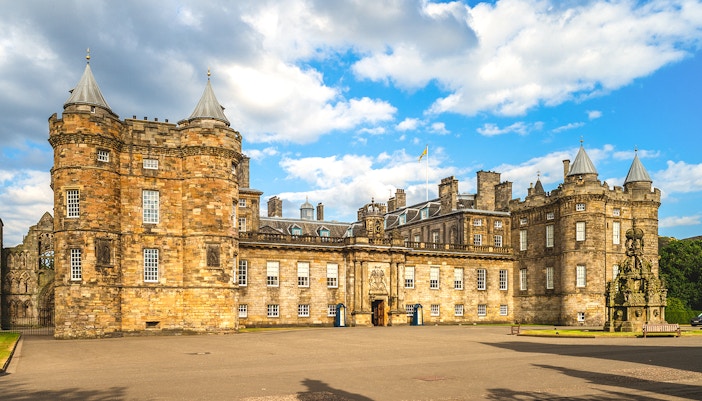
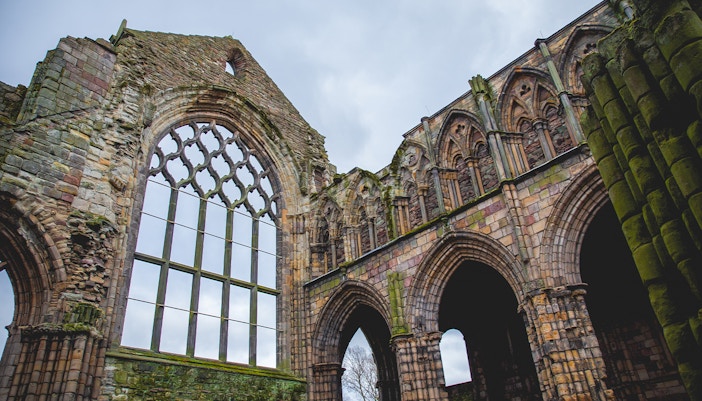
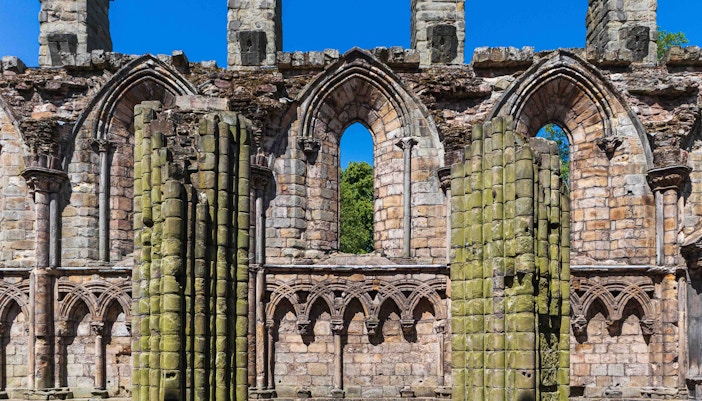
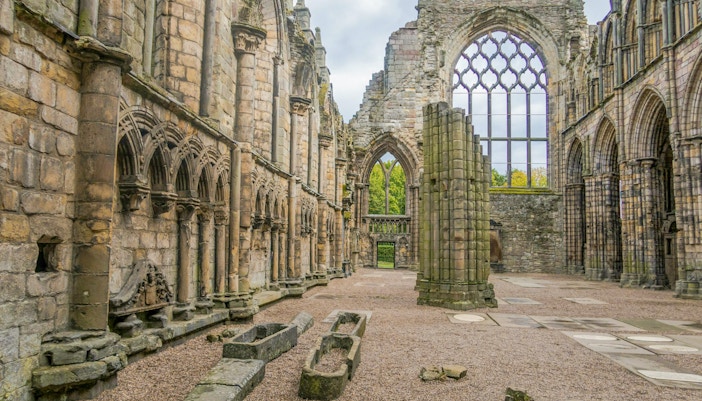
‘Holyrood’ comes from ‘holy rood,’ meaning holy cross, a relic tied to the crucifixion of Jesus. Legend says King David I saw a glowing cross between a stag’s antlers while hunting and, inspired by the vision, founded the abbey in 1128.
Bet you didn’t know these Holyrood Palace facts
Behind the grand rooms and royal ceremonies of Palace of Holyroodhouse lies a surprisingly strange, dramatic, and fascinating history. These Holyrood Palace facts go beyond the usual guidebook details, uncovering everything from exotic royal animals and medieval sanctuaries to hidden garden stories and centuries-old scandals.
Some facts explain the palace’s royal traditions, while others reveal the wonderfully unexpected side of Scotland’s official royal residence. Whether visiting in person or simply curious about the palace’s history, these Holyrood Palace facts make the palace feel far more vivid, human, and unforgettable.
Top 8 Holyrood Palace facts

A name with sacred origins

The phantom bloodstain of Holyroodhouse
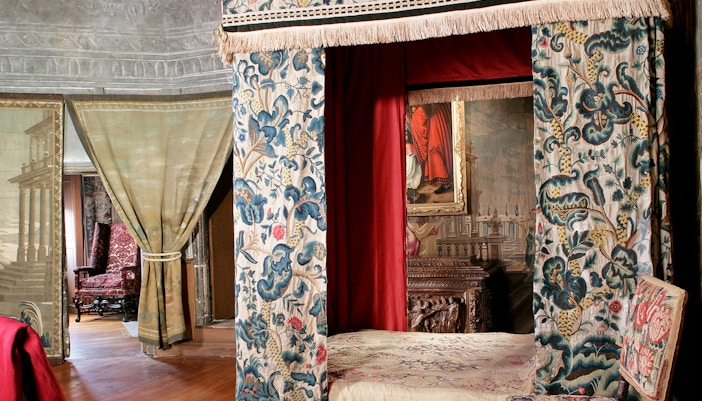
In Mary, Queen of Scots’ Outer Chamber, a reddish stain marks the spot where her secretary, David Rizzio, was savagely murdered in 1566. Legend has it that no matter how often the floorboards are scrubbed or replaced, the eerie stain keeps reappearing, refusing to be forgotten.

Unicorns in disguise
Scotland’s national animal, the unicorn, is hidden in surprising spots around the palace. You’ll find them on gateposts, ceilings, and doorways. These mythical creatures symbolize purity and strength, and spotting them has become a fun tradition for eagle-eyed visitors.

Lights, camera, palace
With its royal rooms and centuries of drama, the Palace of Holyroodhouse has starred in hits like The Queen, Outlander, and The Crown. Its grand interiors and real-life intrigue make it a go-to location for filmmakers chasing that authentic royal vibe.

Scotland’s crown jewels
The Honours of Scotland include the crown, sceptre, and sword of state. They are the oldest crown jewels in the British Isles and, while housed at Edinburgh Castle, they have been displayed at Holyroodhouse during major royal occasions.

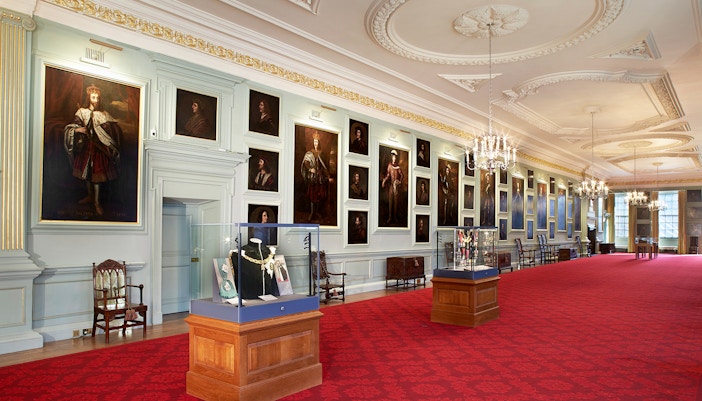
The hidden door in the Long Gallery
The Long Gallery at Holyroodhouse hides a secret door within its wood panelling, often unnoticed by visitors but known to staff. This concealed entrance reflects the palace's rich history, offering discreet access for servants or courtiers during royal events and gatherings.

The ghostly piper’s tunnel
According to legend, a secret tunnel once connected Edinburgh Castle to Holyroodhouse, used as an escape route for royalty. A piper was sent to map the tunnel, but his bagpipes fell silent, and he mysteriously disappeared, never to be seen again.

The king who never visited
Charles II heavily influenced the construction and renovation of the Palace of Holyroodhouse, yet he never visited it. Despite approving its grand redesign, including state apartments and royal features, the palace was mainly used by representatives, not the king himself.
Frequently asked questions about Holyrood palace facts
The Palace of Holyroodhouse feels far more intimate and historically layered because it developed gradually over centuries instead of being designed as a single grand ceremonial palace.
Mary’s private apartments, outer chamber, and bedchamber remain some of the palace’s most historically significant spaces, especially because of the murder of David Rizzio nearby.
Yes, the dramatic ruins of Holyrood Abbey still survive beside the palace, including sections of the nave and towering Gothic arches.
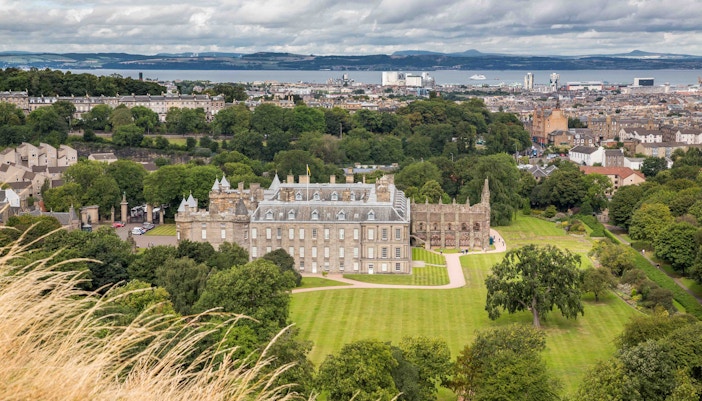
The volcanic cliffs of Arthur's Seat create a natural backdrop that historically offered hunting grounds, protection, and dramatic royal scenery.
Many visitors move quickly through the gardens, though the physic garden and quieter pathways often reveal some of the palace’s most fascinating historical details.
Yes, historical records describe royal menageries within the palace grounds containing animals including lions, tigers, and bears during earlier centuries.
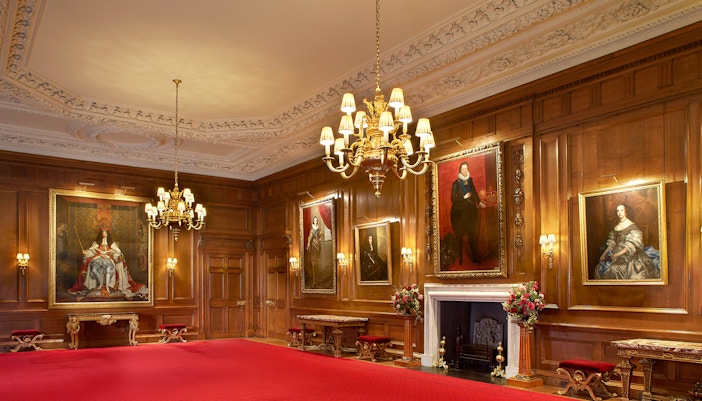
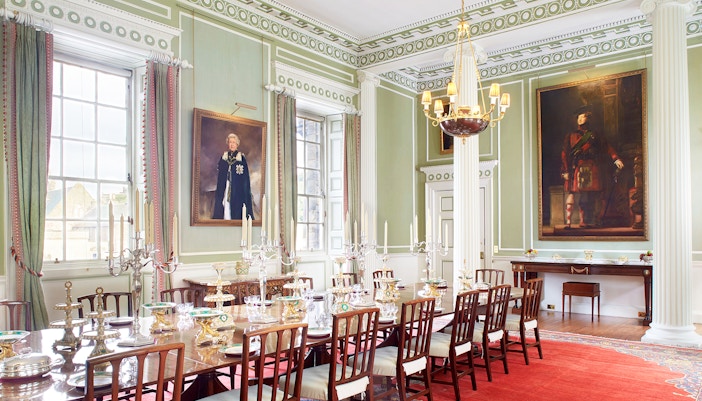
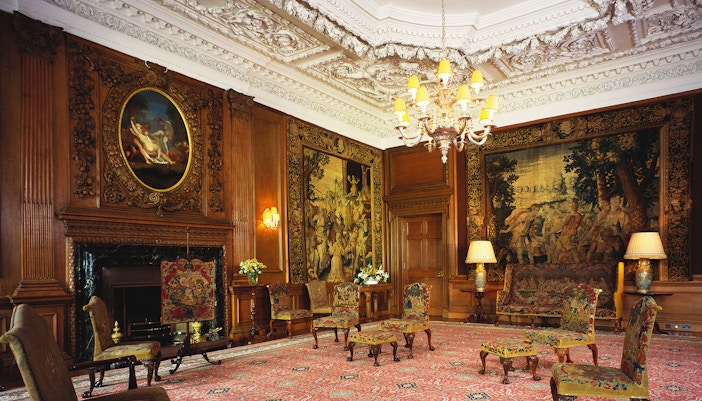
Many rooms preserve their historic atmosphere using darker wood, portraits, tapestries, and lower natural lighting rather than heavily modernized decorative styles.
Yes, the palace grounds hosted Scotland’s first physic garden in the seventeenth century, which later inspired Royal Botanic Garden Edinburgh.
Early mornings and late afternoons often feel most atmospheric, especially when changing Scottish light transforms the gardens, abbey ruins, and surrounding landscapes.
Look carefully at ceilings, fireplaces, and portrait galleries throughout the palace, since many rooms quietly reflect political symbolism, royal rivalries, and Scottish identity.